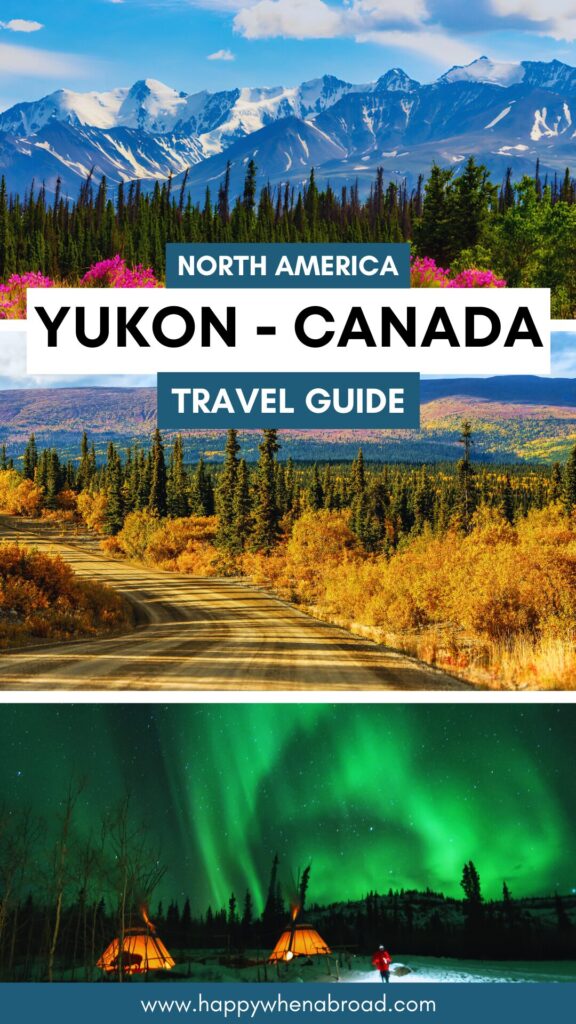
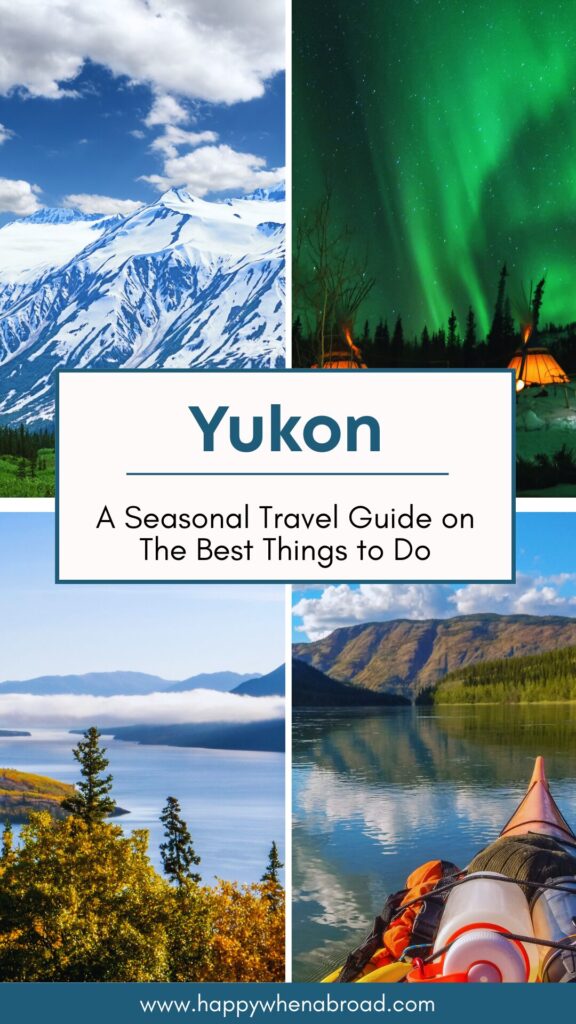
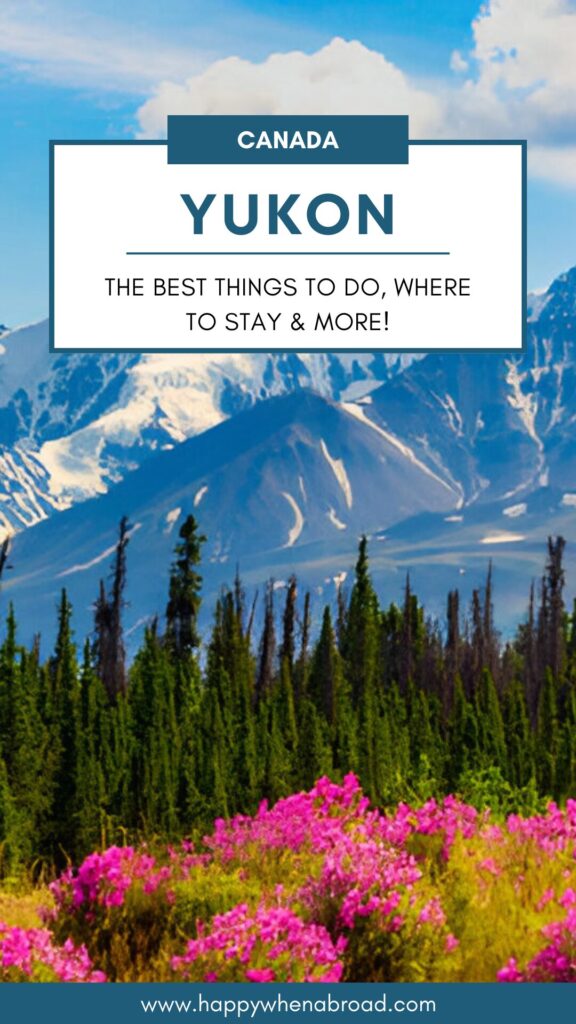
Few places on earth capture the spirit of the wild quite like the Yukon Territory in Canada. Vast alpine peaks, endless spruce forests, and skies alive with either the Aurora Borealis or the midnight sun make the Yukon a destination that feels truly untamed. Whether you’re an adventurer, a wildlife enthusiast, or a traveler craving peace and stillness, this northern frontier promises experiences you’ll never forget.
This guide covers the best things to do in Yukon across all four seasons, the best time to visit Yukon, and highlights of the most iconic Yukon tourist attractions.
Disclaimer: This article may contain affiliate links. Without costing you anything extra, the small commission will help me produce more free content for you. For more information, please refer to my privacy policy.
Finding Your Base in Whitehorse
Most Yukon adventures begin in Whitehorse, the lively capital city framed by mountains and the Yukon River. Whitehorse is your gateway to road trips, guided tours, and cultural experiences. While standard hotels are available, many travelers prefer boutique lodges, chalets, or wilderness retreats that combine comfort with a close connection to nature.
For a truly immersive stay, consider booking accommodations outside the city, where darker skies make for better Northern Lights viewing. Choosing the right accommodation in Whitehorse sets the tone for your adventure. There are many options like cozy cabins with wellness amenities, placing you right in the heart of Yukon’s wilderness while keeping you close to Whitehorse’s restaurants and museums.
How to Get to Whitehorse
Reaching Whitehorse, the capital of Yukon, is easier than many travelers expect. Direct flights connect the city to major Canadian hubs like Vancouver and Toronto, making it accessible year-round. The flight from Vancouver takes just over two hours, while from Toronto you can expect around a five-hour journey. Whitehorse also serves as a starting point for road trips into the Yukon, with the scenic Alaska Highway providing a memorable overland route for those who prefer driving.
Best Time to Visit Yukon
The Yukon transforms dramatically with each season, offering something unique year-round. Deciding on the best time to visit Yukon depends on what experiences you’re seeking:
- Winter (November–March): Best for Northern Lights, dog sledding, and snow adventures.
- Spring (April–May): A season of renewal with wildlife awakening and longer days.
- Summer (June–August): Endless daylight under the midnight sun, perfect for hiking and paddling.
- Autumn (September–October): Brilliant fall foliage and quieter trails.
Things to Do in Yukon by Season
Autumn (September – October)
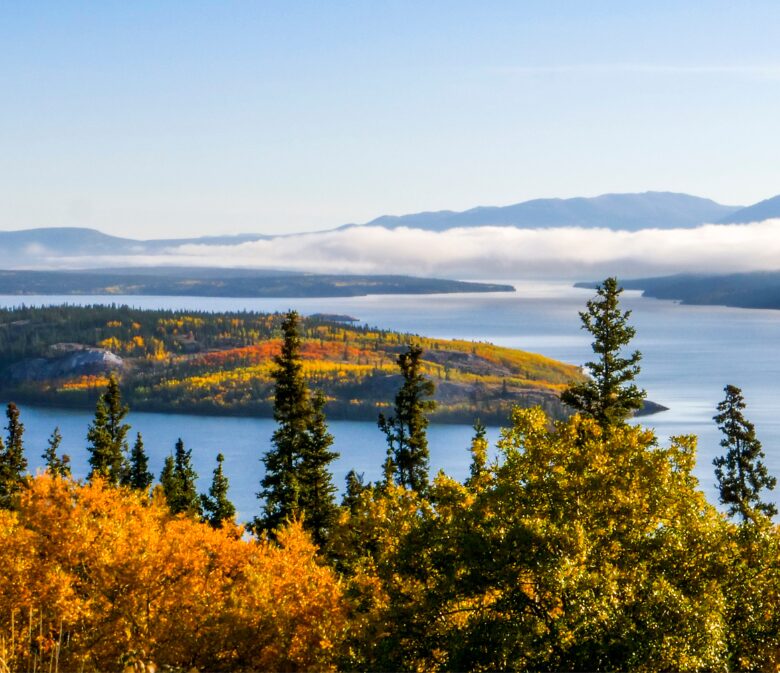
Though brief, autumn in Yukon is breathtaking. Hillsides glow in fiery reds, oranges, and yellows, making hikes and wildlife-viewing trips feel like walking through a living painting. Cooler air and fewer tourists create a reflective, unhurried atmosphere.
Top activities in autumn:
- Hiking through colorful forests and tundra trails
- Wildlife spotting (moose, caribou, and migratory birds)
- Scenic photography of fall landscapes
- Visiting local festivals and cultural events
Winter (November – March)
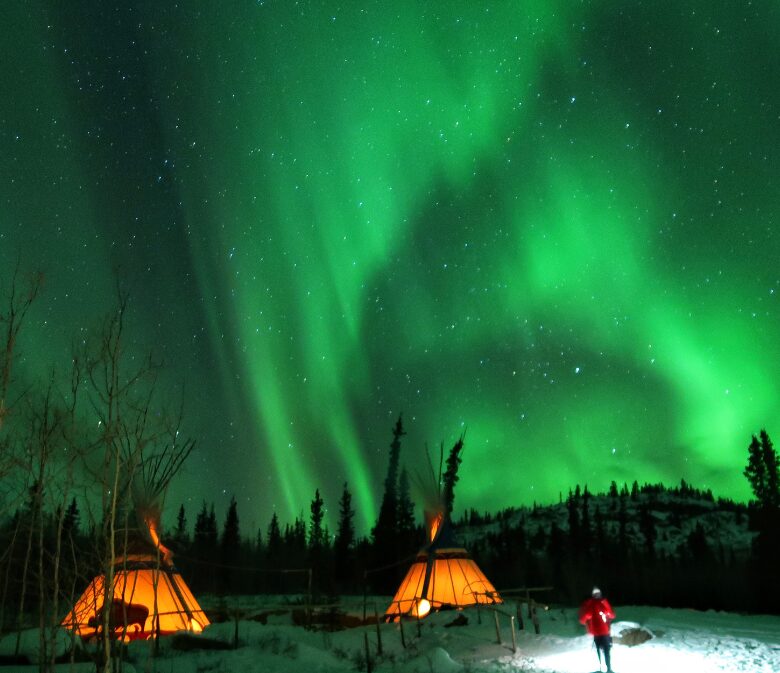
Winter is when the Yukon shines brightest as one of the world’s best places to watch the Aurora Borealis. Long nights provide ample opportunities for light shows, while days invite adventure in a snow-covered wonderland.
Top activities in winter:
- Northern Lights tours with expert guides and photo tips
- Dog sledding across frozen lakes
- Snowshoeing or cross-country skiing in boreal forests
- Relaxing in a wilderness spa lodge after a snowy adventure
Stay in accommodations with aurora-viewing decks or cabins designed for cozy stargazing. Many lodges provide viewing decks or large windows, so you can watch the show in warmth and comfort. Some also offer luxury Northern Lights tours that handle logistics like photography tips, transportation, and even midnight snacks under the stars.
Spring (April – May)
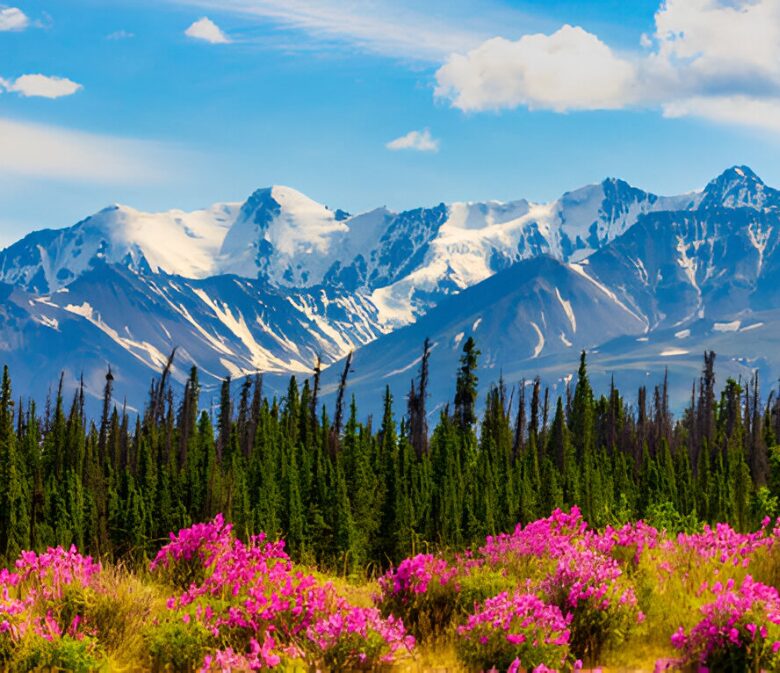
Spring awakens the Yukon with flowing rivers, blossoming forests, and the return of migrating animals. It’s a transitional season that combines milder weather with lingering glimpses of the aurora.
Top activities in spring:
- Wildlife watching (caribou, moose, and migratory birds)
- Gentle hikes through awakening landscapes
- Late-season aurora viewing under warming skies
- River adventures as the ice melts
Summer (June – August)
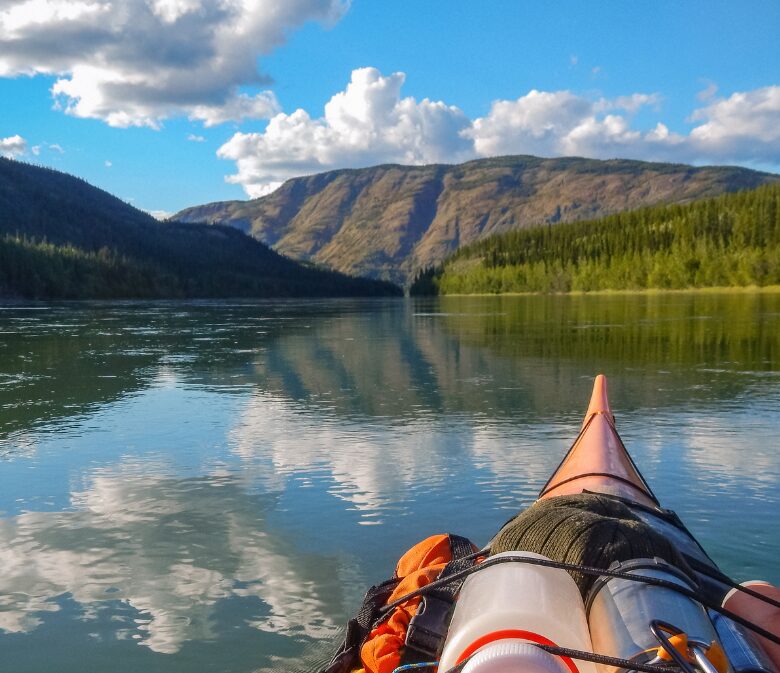
Summer in Yukon is defined by the midnight sun, where days seem endless and the outdoors calls nonstop. It’s the best time for hikers, paddlers, and those who want to explore the vast landscapes at their most accessible.
Top activities in summer:
- Hiking alpine ridges and scenic trails
- Canoeing or kayaking along the Yukon River
- Mountain biking through lush valleys
- Wildlife viewing is at its peak activity
- Experiencing Indigenous cultural festivals
Top Yukon Tourist Attractions
While Yukon is known for its raw wilderness, there are also iconic Yukon tourist attractions worth adding to your itinerary:
- Kluane National Park: Home to Canada’s tallest mountain, Mount Logan, and massive glaciers.
- Tombstone Territorial Park: Famous for its rugged peaks, colorful tundra, and remote hiking.
- SS Klondike National Historic Site: A glimpse into Yukon’s Gold Rush history in Whitehorse.
- Miles Canyon: A dramatic volcanic rock canyon carved by the Yukon River.
- Dempster Highway: A road trip like no other, stretching toward the Arctic Circle.
Wellness in the Wilderness
The Yukon isn’t just about pushing physical limits; it’s also a place for restoration. Wilderness lodges and retreats increasingly offer spa facilities, saunas, and massage services alongside outdoor activities. Imagine finishing a glacier hike and unwinding in a hot sauna or enjoying “forest bathing” on quiet trails near your cabin.

Practical Travel Tips for Visiting Yukon
- Book early: Winter aurora season (November–March) and summer (late June–August) are peak travel times. Accommodations sell out fast, especially smaller lodges and wilderness cabins.
- Pack layers: Yukon’s weather can change quickly. Always bring a moisture-wicking base, an insulating mid-layer, and a waterproof outer shell.
- Disconnect: The Internet is limited in remote areas. Embrace the opportunity to switch off and enjoy nature.
- Balance activity and rest: Alternate between adventure-filled days and slower moments to recharge.
- Check local events: Cultural festivals like the Adäka Cultural Festival enrich your trip with Indigenous art and traditions.
Final Thoughts
Yukon is wild, beautiful, and surprisingly accessible. With direct flights into Whitehorse, diverse accommodations, and experiences for every season, it’s never been easier to plan your northern adventure. By balancing thrilling outdoor pursuits with wellness and stillness, you’ll discover more than just things to do in Yukon. You’ll connect deeply with one of the last great wilderness regions on Earth.
Don’t forget to save this Yukon travel guide for your next trip!